“When a Runny Nose Becomes Normal :
Chronic Rhinitis Explained”
Chronic rhinitis is more than the occasional sniffle. It is a long-lasting inflammatory condition of the nasal passages, leading to persistent symptoms that often disrupt sleep, productivity, and overall quality of life. When left untreated, chronic rhinitis can become a daily struggle, but with the right diagnosis and modern treatment options, relief is easily achievable.
What Is Chronic Rhinitis?
Chronic rhinitis refers to nasal symptoms that persist for at least 12 weeks. These symptoms may occur intermittently or continuously and usually include:
Rhinorrhoea
Nasal congestion or blockage
Sneezing
Post-nasal drip
Itchy nose, throat, or eyes
Rhinitis generally falls into 2 main categories
Allergic Rhinitis (AR)
Triggered by allergens such as dust mites, pollen, animal dander or mould. It involves an immune-mediated response causing inflammation of the nasal lining.
Non-Allergic Rhinitis (NAR)
Symptoms arise without a clear allergic trigger. Common causes include temperature changes, strong odours, hormonal changes, infections, or irritants like smoke and perfumes.
Many patients experience mixed rhinitis, where both allergic and non-allergic factors coexist.
Why Does It Happen?
Chronic rhinitis develops when the nasal mucosa becomes overly reactive or persistently inflamed. This can be influenced by:
Overuse of nasal decongestant sprays (rhinitis medicamentosa)
Diagnosis
How Is Chronic Rhinitis Identified?
A proper evaluation includes:
Medical history & symptom review
Your specialist will assess the pattern, duration, and triggers of your symptoms.
Physical examination
Nasal endoscopy may be used to visualise the nasal passages, look for inflammation, polyps, or structural abnormalities.
Allergy testing
Skin prick tests or blood tests help identify specific allergens in suspected allergic rhinitis.
Imaging (if needed)
CT scans may be recommended when sinus disease or anatomical concerns are suspected.
A clear diagnosis is essential. It ensures the right treatment plan and prevents unnecessary patient frustration from ineffective therapies.
Treatment Options
Management depends on the underlying cause and severity of the symptoms. Treatment usually includes a combination of lifestyle adjustments, medications, and when appropriate, minimally invasive procedures.
Conventional Treatments
Allergen avoidance (for Allergic Rhinitis)
Antihistamines (oral or nasal)
Intranasal corticosteroid sprays
Saline irrigation to clear mucus and reduce irritation
Decongestants (short-term use only)
Immunotherapy (allergy shots or sublingual tablets) for long-term management of allergic rhinitis
Treatment Pathways
ENT Specialists offer advanced, clinically proven technologies for patients whose symptoms persist despite medical therapy.
Radiofrequency Turbinate Reduction
For patients with chronic nasal blockage due to enlarged turbinates, radiofrequency therapy gently shrinks excess tissue while preserving normal nasal function.
Benefits: Minimally invasive, fast recovery, improves airflow.
Neuromodulation for Chronic Rhinitis (Posterior Nasal Nerve Therapy)
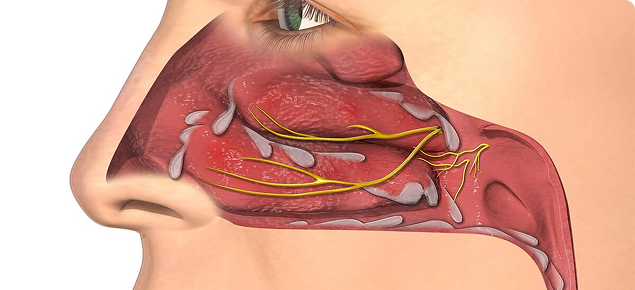
Some chronic rhinitis symptoms stem from overactive nasal nerves. Neuromodulation procedures target these nerves to reduce excessive mucus production and congestion.
Benefits: Long-term symptom relief, suitable for allergic and non-allergic cases.
Balloon Sinuplasty (when sinus issues coexist)
If chronic rhinitis overlaps with chronic sinusitis, balloon sinuplasty may be recommended to widen sinus openings and improve drainage. Benefits: Minimally invasive, low downtime, restores natural sinus ventilation.
ENT Specialists provide tailored, technology-driven solutions that prioritise patient comfort, safety, and long-term relief.
When Should You Seek Help?
You should consult an ENT Specialist when:
Symptoms persist for 12 weeks or more
Over-the-counter medications no longer help
You experience frequent sinus infections
Your sleep, work, or daily routines are affected
You rely heavily on nasal decongestant sprays
Take the First Step Toward Breathing Better
Chronic rhinitis does not have to be a lifelong inconvenience. With modern diagnostics and advanced treatment options, long-lasting relief is possible.
Ready to understand your symptoms or explore treatment options? Contact or request for a consultation with our partnered ENT Specialists today.
[SG1]Suggest: “When a Runny Nose becomes Normal” [SG2]Insert a brief explanation as this is not a term that is commonly used