
Home / Obstructive Sleep Apnoea
If Snoring Is Disturbing Your Nights, It Might Be A Symptom Of Obstructive Sleep Apnoea (OSA).
Obstructive Sleep Apnoea (OSA) is the most common sleep-related breathing disorder, marked by repeated pauses in breathing during sleep. These interruptions occur when the airway narrows or collapses due to relaxed throat muscles, often leading to loud snoring and fragmented, poor-quality sleep. Although many individuals are unaware of these episodes, OSA is a serious medical condition. Fortunately, effective treatments are available, including CPAP therapy, custom oral appliances, lifestyle changes, and, for selected cases, surgical options.
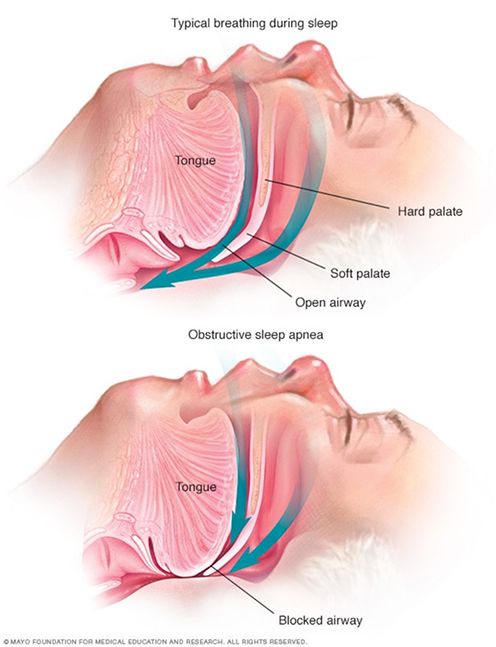
OSA happens when the soft tissues in the throat relax too much during sleep, causing the airway to narrow or collapse. This reduces oxygen levels and triggers brief awakenings to reopen the airway. These episodes can occur many times a night, disrupting deep sleep, often without the person realizing, leading to daytime fatigue and long-term health effects.
Fat deposits around the upper airway reduce airflow.
Risk increases with age, particularly after 60.
Men have a higher risk, although it increases in women after menopause.
Airway structure and OSA tendencies can be inherited.
Enlarged tonsils or naturally narrow airways are common contributors.
OSA is more common in those with ongoing night-time congestion.
Increases inflammation and swelling in the airway.
Hypertension, diabetes, heart disease, stroke, chronic lung disease, and depression.
Fragmented sleep results in:
In children, may contribute to behavioural difficulties and reduced academic performance.
Long-term untreated OSA strains the heart by causing repeated drops in oxygen and surges in blood pressure.
Sedatives, certain pain medications, and general anaesthesia can worsen breathing issues. Patients with untreated OSA may face higher surgical risks and should inform healthcare teams before any procedure.
OSA has been associated with optic nerve and eye disorders such as glaucoma.
Loud snoring can significantly affect bed partners, leading to poor sleep and strained relationships.
OSA diagnosis can be accessible but widely under-recognised, where many individuals live with symptoms without realising it.
Contact us at Inspire.sg@easmed.com for more information on how you can better your OSA journey.
Sleep apnoea is diagnosed through a combination of symptom review and sleep testing. Your doctor will assess common signs such as loud snoring, breathing pauses during sleep, and excessive daytime fatigue.
Both tests provide an AHI score that determines the severity of OSA and guides treatment.
Once diagnosed, patients can avail to supported therapy options, including:
After reviewing test results, your doctor will recommend a personalised treatment plan. Easmed ensures smooth access to therapy, device support, and ongoing care.