
Are you struggling to keep yourself awake? Asleep expert answers questions on how you can get the best out of your nap.
Between napping and sleeping in on weekends, which is a better solution, and why?
Adults generally don’t need naps unless sleep deprived. Between napping and sleeping in on weekends, it will be a better option to nap. Sleep specialists promote a consistent sleeping pattern and habit, meaning 7-8 hours of sleep a night. That also means maintaining a consistent sleep and wake time. Sleeping in on weekends may cause a break in this sleep hygiene habit, and coming Monday you may feel a bit groggy still from oversleeping. Better to try to take naps if you don’t plan to be outside the whole day, just make sure you don’t nap in the late afternoon as it will delay your bedtime in the evening.
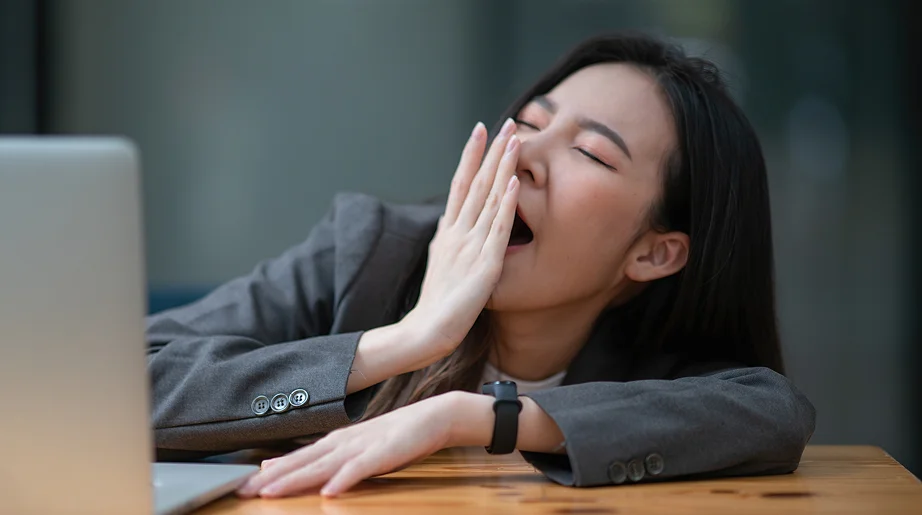
Is it accurate to say only sleep-deprived people need to nap? Why?
Adults need 7-9 hours of uninterrupted sleep throughout 24 hours. After the 6th year of life, humans don’t generally need to nap, unless we accumulate a “sleep debt”. Sleep debt means that we did not achieve the 7-9 hour sleep required, so we have to compensate by taking naps, or else sleep deprivation becomes worse and interferes with our daily functioning.
How can we nap at work in a way that doesn’t induce grogginess and sleepiness instead? How long should the nap be?
Sleep specialists recommend naps not more than 20 minutes. This is because, in the first 20 minutes of sleep, we go through the light sleep stages. Then, after that, we transition into a deep sleep. We feel groggy and sleepier when we wake up from a deep sleep stage. Waking up in a light sleep stage leaves us more refreshed, alert, and energetic. That’s why it’s called a “power nap”. It’s proven that it can help with work and school productivity.